\
&
Contact us
\
&
Contact us
\
&
Contact us
\
&
Contact us
The primary focus is to create sustainable energy solutions in all aspects of production, through enhancing collaboration among the three pillars of the knowledge triangle and fostering innovation that can be embraced by the market.
EIT InnoEnergy concentrates on the following thematic fields:
If you are an innovator with a promising technology or service aligned with any of these eight thematic fields, you can apply to join the ecosystem. Among other benefits, joining the ecosystem allows exposure and access to a venture capital community.
EIT InnoEnergy not only provides funding possibilities, but also assists in making your product or service market-ready, transforming it into a viable business.
Additionally, EIT InnoEnergy has an education pillar focused on training workers who will operate in these innovative areas, called InnoEnergy Skills Institute.
With the e-mobility future in mind, EIT InnoEnergy partnered with European Battery Alliance to establish an upskill and reskill programme: EBA Academy.
There are regular announcements for calls for proposals for different programs (EIT, EIC, third party calls for proposals, ...). To explore the opportunities and stay updated with the latest news, please visit the innovation community's webpage.
The EIT InnoEnergy community has several regional innovation hubs, including one based in Genk. If you wish to contact them, you can reach out via email at benelux@innoenergy.com.
Finally, for any inquiries related to energy, you can contact the National Contact Point (NCP) at ria.debreucker@vlaio.be.
Partnerships group the EC and private and/or public partners, to coordinate and streamline the research & innovation initiatives and funding in some selected key domains.
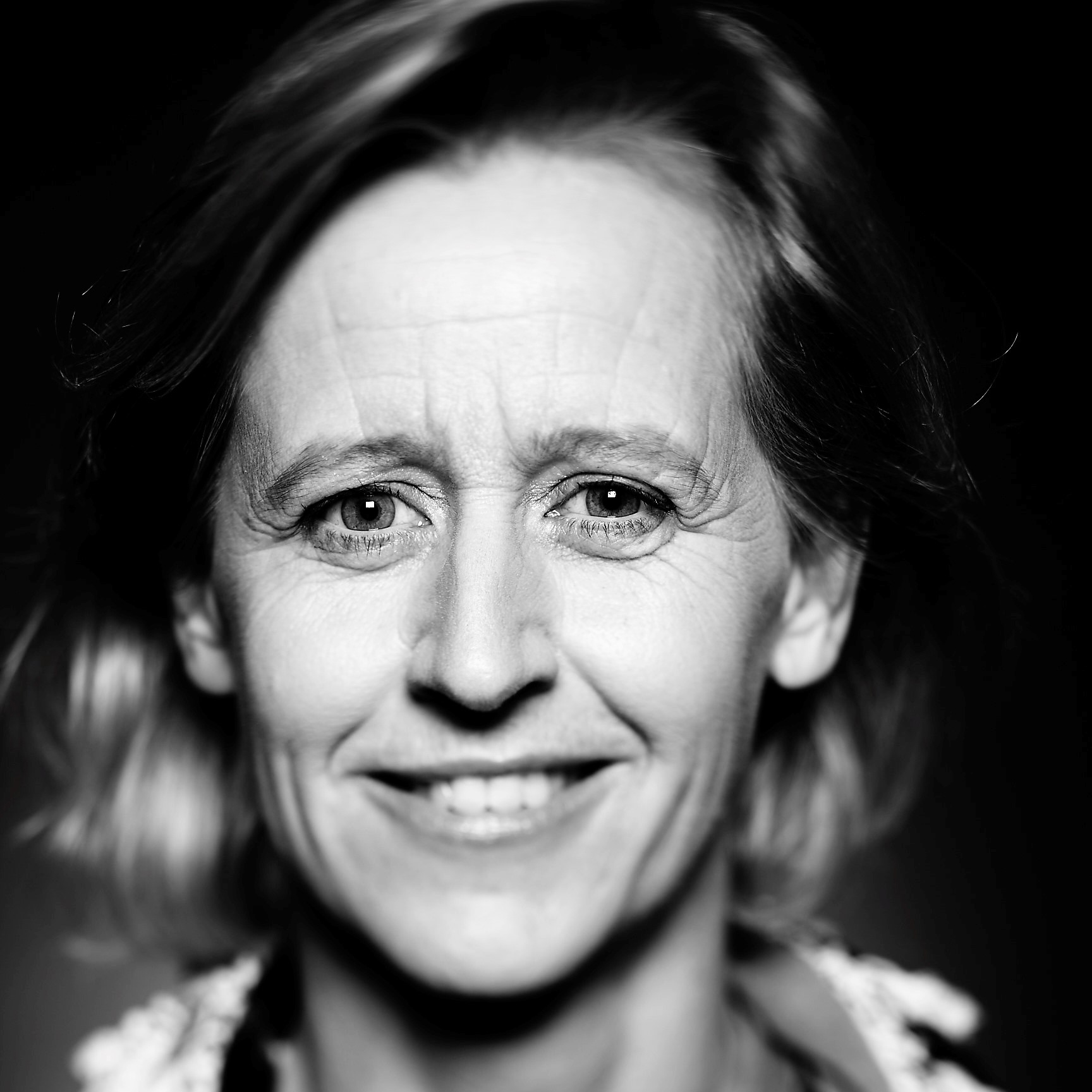
Ria.debreucker@vlaio.be
Circusol is an Innovation Action project funded under a cross-cutting work programme part of Horizon 2020. Circusol aims at unleashing the full potential of circular business models, in particular Product-Service Systems, in simultaneously delivering real environmental, economic and user benefits. By that, Circusol aims to establish solar power as a spearhead sector in demonstrating a path driven by service-based businesses towards a circular economy in Europe.
A strong Flemish partnership in new Horizon 2020 project on circular economy business demonstrators, including VITO (Coordinator), IMEC, Ecopower cvba, Futech bvba, PV Cycle aisbl and Daidalos Peutz bvba.